Cubeform Arcade Runner
Reviews
Cubeform Arcade Runner does one thing and does it clearly: it asks you to bounce a cube through a rotating tower using a single tap. The rotating structure prevents memorization, so success depends on reading motion and timing each bounce. Vibrant 3D graphics keep obstacles readable. The main limitation is that no progression system or confirmed leaderboard is described, so motivation rests entirely on beating your own distance. Players who enjoy skill-based arcade games with short, repeatable runs will get the most from it.
Description
Bouncing Through a Rotating Tower
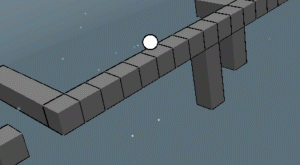
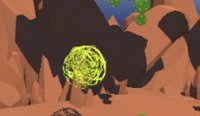
Cubeform Arcade Runner places a bouncing cube inside a twisting tower lined with ledges and obstacles. The tower rotates as you progress, so the path ahead is never static. Your goal is simple: keep the cube bouncing for as long as possible. Every ledge you dodge adds to your run, while any collision ends the attempt immediately. The rotating structure means you cannot memorize a single safe route; you must read the tower's motion and react in real time.
One-Tap Control and Timing
Controls are limited to a tap or click. That single input makes the cube bounce and change direction. The challenge comes from timing: tap too early or too late and you hit a ledge. Because the tower twists and turns, the angle of approach changes constantly. You need to maintain a steady rhythm, neither rushing nor hesitating. The game is easy to start but difficult to sustain, which keeps each run tense and focused.
Visual Style and Session Length
Vibrant 3D graphics give the tower a colorful, readable look. Obstacles and ledges stand out clearly, helping you plan the next bounce. Runs can be short enough for a quick break or long enough to fill a longer session. The endless format means there is no final level; improvement comes from refining your timing and learning how the tower behaves as difficulty rises.
Practice and Progression
There is no upgrade system or unlockable content described. Progress is measured by how far you bounce before a mistake. That makes repetition the main path to improvement. Each failed run shows where your timing broke down, and each successful dodge teaches you a little more about the tower's patterns. Players who enjoy skill-based arcade games with simple inputs and escalating challenge are the natural audience here.








Editorial Notes