Logic Path: Puzzle Journey
Reviews
Logic Path: Puzzle Journey focuses on what puzzle players value most: clear observation, item combination, and the satisfaction of unlocking new areas through deduction. Its non-linear structure encourages revisiting earlier scenes, and the absence of timers keeps the experience low-pressure. The light resource-gathering adds a small strategic decision without turning the game into a grind. The family-friendly presentation and gradual difficulty curve make it accessible, though players seeking fast action or heavy resource management should look elsewhere.
Description
Observation as the Core Skill
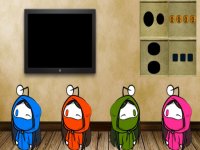
Every scene in Logic Path: Puzzle Journey asks players to look closely before acting. Objects placed in each area serve as clues, and progress depends on noticing how those objects relate to one another. The game does not rely on hidden-object hunting alone; it expects players to reason about why an item matters and where it might be used. Solving one puzzle frequently reveals a new area or supplies a key item needed elsewhere, so each success feeds directly into the next challenge.
Clicking, Collecting, and Combining
Interaction happens through clicking points of interest. Repeated clicks on certain objects gather materials, adding a light resource layer on top of the puzzle solving. Those materials unlock paths or become tools required for later progress. A simple inventory tracks what has been collected, but the real work is deciding which resources to gather and how to apply them. Some puzzles require items found in different areas, which rewards players who remember what they have seen and where.
Non-Linear Exploration and Revisiting
Areas carry distinct visual themes and their own obstacles. Rather than forcing a straight line forward, Logic Path: Puzzle Journey lets players return to earlier locations. A previously inaccessible section may open once a new insight or item is in hand. This structure encourages curiosity and persistence, because solutions often emerge from connecting information across separate scenes rather than from grinding through a single screen.
A Calm, Accessible Pace
There are no countdown timers and no performance penalties. Players can take as long as they need on any puzzle, which suits short sessions as well as extended exploration. The interface stays simple, with clear visual cues guiding interactions, and new mechanics are introduced gradually. Later challenges grow more complex, giving experienced puzzle players something to work toward while keeping the early game approachable. The content avoids violent or disturbing themes and focuses on creative problem-solving, making it suitable for families and younger players developing logical reasoning.







Editorial Notes