Floppy Red Bird Arcade Game
Reviews
Floppy Red Bird Arcade Game keeps its scope tight. One tap controls everything, pipes never randomize, and every run ends the moment the bird touches an obstacle. That simplicity is the strength: improvement comes from rhythm and altitude control rather than luck. Bright visuals and a family-friendly design widen the audience, though players wanting variety or progression beyond a high score will find the loop limited. It works best in short sessions.
Description
Tap-to-Fly Control and Scoring
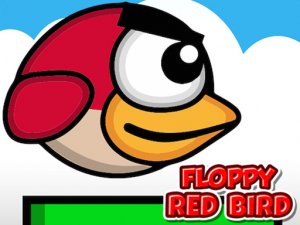
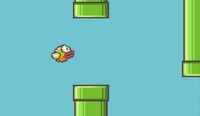
Floppy Red Bird Arcade Game runs on a single input: tap or click to make the bird flap upward, release to let it descend. The bird never stops moving forward, so the only decision is when to tap. Each pair of pipes has a gap; passing through it adds one point. Contact with a pipe or the ground ends the attempt immediately. There are no random elements in the obstacle layout, so every failure traces back to timing rather than luck. That fairness matters for a score-chasing game, because it means improvement comes from practice, not from hoping for an easier run.
Rhythm, Altitude, and Reading Gaps
Staying alive depends on a steady tapping rhythm rather than fast tapping. Too many quick taps push the bird too high, which makes the next gap harder to line up. Gentle, controlled taps keep the bird at a workable height. As the run continues, players learn to read the spacing between pipes and adjust altitude early instead of reacting at the last moment. The difficulty rises gradually, so the challenge grows with the player rather than spiking suddenly. Frustration is possible, but the game's design keeps mistakes readable and correctable.
Session Length and Family-Friendly Design
Runs are short by nature, which suits quick breaks as well as longer play periods. Bright, colorful graphics and cheerful sound effects give the game an inviting tone, and the content is free from inappropriate material. The tap controls are simple enough for young players to pick up, while the timing demand still gives older players something to chase. A scoring system tracks the highest score achieved, which is the main reason to keep replaying. The loop is narrow but complete: flap, pass a gap, score, and try to beat the previous best.










Editorial Notes