Music Battle 2 Player Rhythm Game
Reviews
Music Battle 2 Player Rhythm Game is built around a simple, effective idea: two people, one keyboard, one song. The scoring system rewards accuracy and combo maintenance, so matches stay close when both players know the track. Multiple themed weeks and a secret difficulty give it room to grow, while solo mode covers early content for practice. Its main limitation is that it is strictly local, so it depends on having a second player nearby.
Description
Shared-Keyboard Duel Design
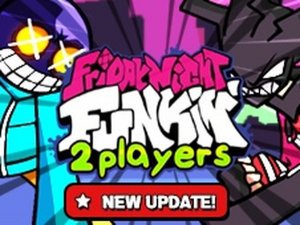
Music Battle 2 Player Rhythm Game puts two competitors on one keyboard rather than splitting them across devices. Player 1 uses one key set and Player 2 uses another, so both must coordinate hand positions before a match begins. This local setup removes the need for extra hardware and keeps the focus on timing and reaction speed. The format suits friends sitting side by side who want a direct, real-time test of rhythm accuracy.
Note-Hitting and Combo Scoring
Arrow notes scroll on screen in sync with each track. Players press the matching keys as notes reach the hit zone, aiming to stay on beat and maintain a combo. Accurate hits raise the score, while missed or mistimed presses break the chain. A live score display shows who is leading at any moment, turning each song into a visible back-and-forth. The player with the higher final score wins the duel.
Weeks, Songs, and Difficulty
Content is organized into multiple weeks, each with its own theme and song selection. Difficulty ranges from easy to a secret challenging mode, and game speed increases as difficulty rises. Beginners can start on the easiest setting to learn arrow patterns, then move up as timing improves. A solo mode lets players practice the first few weeks of content without an opponent.
Characters and Match Setup
Before a match, each player selects a character with unique appearances and animations, then chooses a difficulty level. Character choice is cosmetic in function, but it gives each side a visible identity during the duel. Because both players share one keyboard, agreeing on key assignments beforehand prevents confusion once the notes start scrolling.








Editorial Notes