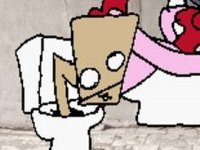
Rhythm Duel: Beat Showdown

Music Game Rhythm Arrow Prompts Timing Mod Animated Sprites Story Mode Free Play
Rhythm Duel: Beat Showdown
179
Developer: Ocean Pixel Studios
Published: 1773072000
Updated: 2026-10-01

Reviews

Rhythm Duel: Beat Showdown is a timing-based music game where arrow prompts and original tracks drive the challenge. Its strength lies in the duel format: staying synced to the beat while avoiding broken streaks creates real pressure. Story mode and free play mode offer separate songs and chart patterns, which adds replay value. Players who enjoy precision rhythm games or modded music titles will find the most to like here. The main limitation is that the input does not describe multiplayer or online features, so the experience appears to be a single-player duel against an opponent.

Description

Core Rhythm Dueling

Rhythm Duel: Beat Showdown sets up a direct timing contest: you face an opponent and must hit directional arrow prompts as they appear above the character. Each prompt corresponds to an arrow key on your keyboard. The goal is to stay locked to the beat and avoid missing too many notes in a row, since a broken streak can cost you the round. The challenge is reading the chart quickly and translating what you see into accurate key presses without losing the song's flow.

Modes and Music

The game offers more than one way to play. Story mode and free play mode each come with their own songs and chart patterns, so the two modes do not feel like the same setlist repeated. The soundtrack consists of original music composed for the mod, and animated sprites give the characters movement during play. Because each song has a distinct chart, the difficulty shifts with the track rather than staying flat across the whole game.

Reading Charts and Building Consistency

Success in Rhythm Duel: Beat Showdown depends on anticipation. Watching only the arrows can leave you reacting late; listening to the rhythm helps you predict when the next prompt will arrive. Building muscle memory for common arrow sequences reduces the mental load during faster sections. If a specific passage keeps breaking your streak, isolating that section and repeating it is more productive than restarting the entire song. Accuracy matters more than raw speed, so steady inputs beat frantic ones.


Editorial Notes

Compatibility

✅ Works on PC & Mobile | Recommended: Chrome / Safari / Edge

Faq

What is Rhythm Duel: Beat Showdown?
It is a music rhythm game built around a timed duel. Players press arrow keys to match on-screen directional prompts in sync with the beat, aiming to keep a steady streak and defeat an opponent. It is part of a modded series featuring original music and animated sprites.
What controls does Rhythm Duel: Beat Showdown use?
The game uses the keyboard arrow keys. When a directional arrow symbol appears above the character, you press the matching arrow key. The goal is to time each press to the music rather than mashing keys, because missed notes in a row can end the round.
Does Rhythm Duel: Beat Showdown have different game modes?
Yes. It includes story mode and free play mode. Each mode offers unique songs and chart patterns, so the track list and note layouts differ between them. That gives players a reason to switch modes rather than treating one as a duplicate of the other.
Is the music in Rhythm Duel: Beat Showdown original?
The soundtrack consists of original music composed specifically for the mod. This means the songs were not pulled from an existing commercial rhythm game. The original tracks pair with animated sprites to create the game's audio-visual presentation.
How do you avoid losing a round in Rhythm Duel: Beat Showdown?
Avoid missing too many notes in a row. A single miss is less damaging than a broken streak, so consistency matters more than attempting every note at maximum speed. Listening to the beat helps you anticipate prompts instead of reacting only after they appear.
What is the best way to practice Rhythm Duel: Beat Showdown?
Start with easier songs to warm up, then move to more complex charts. Focus on the music's rhythm rather than only the visual arrows, and repeat difficult sections in isolation. Regular practice builds muscle memory for recurring arrow patterns, which makes faster songs more manageable.