Impostor Squad Adventure Quest

Reviews
Impostor Squad Adventure Quest targets players who prefer planning over reflexes. Its three-impostor switching system gives each level a light coordination puzzle, and the avoidance-focused guards keep tension without combat. The colorful presentation and simple mouse or touch controls suit younger players, though the need to manage patrols and character abilities may challenge them in later stages. The input does not confirm multiplayer, so treat it as a solo experience unless the store listing says otherwise.
Description
A Team of Three Specialists
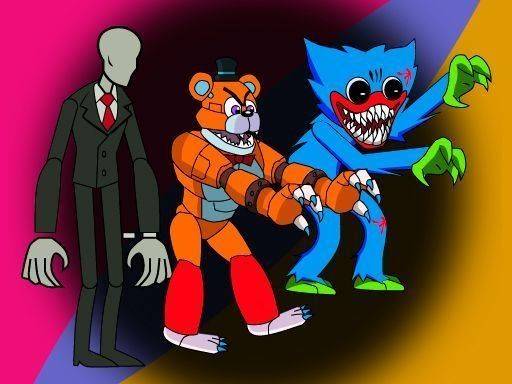
Impostor Squad Adventure Quest puts you in charge of three small impostors, each with a distinct tactical specialty. One excels at climbing, another at clever strategies, and the third at creating diversions. You switch between them as situations demand, and the level design assumes you will use all three rather than relying on a single favorite. The trio bands together as the last line of defense after three notorious figures use mysterious powers to turn guards against the competition's participants.
Puzzle Solving Through Character Switching
Progression depends on matching the right impostor to the right obstacle. A climbing route may open one path, while a diversion might draw a guard away from another. Puzzles are environmental rather than abstract, so you interact with objects and terrain directly. Items scattered through each stage can create diversions or solve puzzles more efficiently, giving you flexibility in how you approach a room. Planning moves before acting matters more than reacting quickly.
Avoidance as the Core Challenge
Influenced guards and the main figures patrol the levels, and direct confrontation is not the answer. You observe patrol patterns, time your movements, and route your squad around detection. This strategic avoidance gameplay keeps tension present without relying on combat. Because the game is designed for all ages, the challenge comes from reading patrols and coordinating three characters rather than from reflexes or violence.
Controls and Accessibility
Mouse or touchscreen input handles everything: click or tap to move characters, interact with objects, and trigger puzzle elements. The interface is built for players who may not be familiar with complex control schemes. Colorful levels and a family-friendly tone make the game approachable for younger players, while the three-character coordination gives older players something to think about. Each stage rewards thorough exploration, since hidden paths and helpful items are easy to miss on a first pass.
Editorial Notes