Endless Platform Reflex Runner

Reviews
Endless Platform Reflex Runner strips away complexity to focus on timing and observation. The rotating circular platforms create a constant read-and-react loop, while procedural generation prevents memorization. Its minimalist visuals keep attention on safe zones. The lack of checkpoints and saves makes it ideal for quick attempts, though players seeking structured progression or narrative may find it repetitive. Best for those who enjoy pure reflex challenges.
Description
Platform Rotation and Lateral Movement
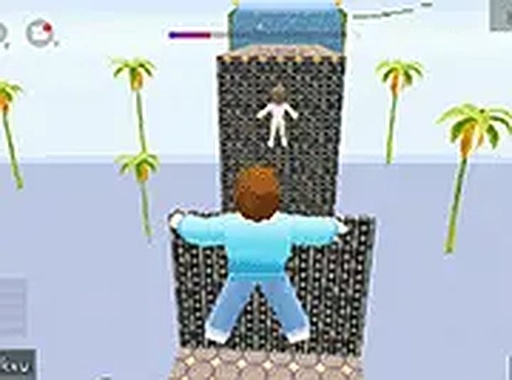
The core action is lateral movement across a series of circular platforms that rotate at different speeds. You shift left or right using mouse, touch, or keyboard arrow keys. The challenge comes from reading each platform's rotation pattern and timing your transition so you don't lose balance. Controls are deliberately minimal, which keeps attention on visual cues rather than complex inputs.
Procedural Layouts and Escalating Difficulty
Every run generates a new arrangement of platforms and obstacles. No two attempts have the same layout, so you cannot memorize a fixed path. As a session continues, platforms rotate faster and obstacles appear more frequently. This steady increase in complexity tests how quickly you adapt to unfamiliar configurations. The lack of checkpoints means each run is a fresh start.
Minimalist Visuals and Cross-Platform Play
The art style uses clean lines, simple shapes, and a restrained color palette. This removes visual clutter and helps you spot safe zones and incoming threats quickly. The game runs in a browser on both mobile and desktop without downloads. Touch input works on phones and tablets, while mouse and keyboard offer precision on computers. Full-screen mode is available for a more focused view.
Scoring, Sessions, and Who It Suits
Your score reflects how long you survive. There are no saves or menus to navigate, so a session can start instantly. This structure suits short play sessions and players who enjoy reflex-based challenges. The difficulty curve is continuous rather than level-based, which means improvement comes from learning to anticipate timing windows and sharpening your reactions over repeated attempts.











Editorial Notes