Crystal Smash Arcade

Reviews
Crystal Smash Arcade mixes reflex-driven block breaking with a simple upgrade store. The core loop is easy to grasp: move your ship, shoot formations, collect points, and spend them on faster or stronger shots. Short sessions and gradually rising difficulty suit players who want a casual score-chasing game. The main limitation is that the input does not describe multiplayer, story, or long-term progression beyond upgrades.
Description
Steering and Shooting
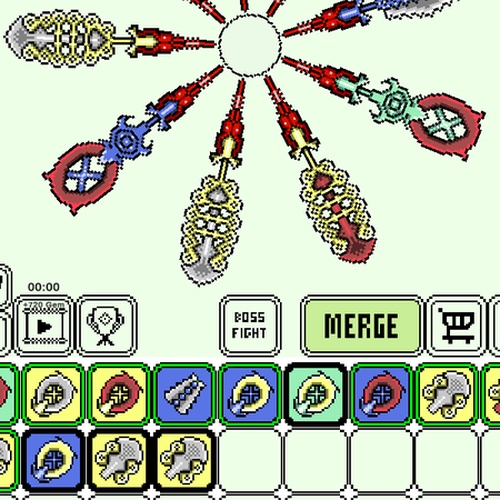
Crystal Smash Arcade puts you in control of a small vessel on a two-dimensional playfield. Blocks fill the upper portion of the screen, and your job is to position the ship and fire projectiles to break those formations apart. Each destroyed block adds to a running score total. The arrangement of blocks shifts over time, and new obstacles appear, so aiming is never a one-time skill. You have to read the field, move, and fire in a continuous rhythm. [IMG_1]
Reading the Block Layout
Block types vary in color and size, which gives you visual cues about behavior or point value. That means target selection is not random. Large clusters can yield higher scores, but obstacles can drain your ship's energy, so aggression has a cost. Moving constantly helps avoid damage. Learning how formations tend to appear lets you clear them more efficiently instead of reacting late.
Spending Points on Upgrades
Points earned during play can be spent in an in-game store to improve the ship. Options include faster firing speed, stronger projectiles, or special effects that help clear blocks more efficiently. These upgrades let you shape your approach: rapid-fire tactics suit players who want constant pressure, while slower, more powerful shots reward patience. Because the store adds a planning layer, choosing the right upgrades can make later stages more manageable. [IMG_2]
Short Sessions and Rising Difficulty
Each session is designed to be completed in a short time frame, making the game suitable for quick breaks. There is no complex story or lengthy tutorial, so a new round can start within seconds. Difficulty gradually increases as blocks become more numerous and obstacles appear more frequently. That structure encourages repeated attempts to beat personal high scores without punishing failure.




Editorial Notes