Caught in the Act Hide and Seek
Reviews
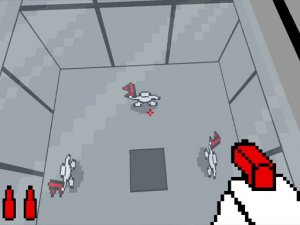
Caught in the Act Hide and Seek works because its central joke is also its central mechanic. Turning the seeker into an ally rather than a threat changes how you read patrol routes and use hiding spots. The game stays accessible through simple controls and colorful, non-violent stages, and its short rounds fit casual play. The main limitation is that the premise depends heavily on level design variety; if patrol patterns repeat too often, the challenge may thin out. For players who enjoy light strategy and a playful twist, the concept holds up.
Description
Why Getting Caught Is the Point
Most stealth games train you to stay out of sight. Caught in the Act Hide and Seek inverts that instinct. You control a character whose only win condition is being spotted by the seeker, so every decision revolves around making yourself visible at the right moment. Hiding spots and distractions exist, but they serve a different purpose here: they help you steer the seeker's attention toward you rather than away from you.
Reading Seeker Patrols
The seeker follows set patrol routes through each stage. Success depends on watching those patterns before you move. A patrol that loops past a hiding spot gives you a narrow window to step out and be seen. Rushing usually backfires, because the seeker may pass by before you are in position. Patient observation is the most reliable skill in the game.
Distractions, Timing, and Risk
You can perform gestures or noises that pull the seeker closer. These actions are the core tactical layer: use them too early and the seeker investigates the wrong area, too late and the round may end before you are caught. Staying hidden too long is a genuine failure state, not a safe strategy. Each level changes the obstacles and patrol behavior, so a tactic that worked before may need adjusting.
Controls and Accessibility
The game supports on-screen controls and keyboard input, keeping the barrier to entry low for younger players and casual sessions. Stages are colorful and non-violent, with no combat or graphic content. Rounds are short, which suits quick play sessions, and the difficulty comes from timing and positioning rather than reflexes or mechanical complexity.
Compatibility
Faq
What is the main objective in Caught in the Act Hide and Seek?
Is Caught in the Act Hide and Seek suitable for children?
What happens if I stay hidden for too long?
Can I play Caught in the Act Hide and Seek with a keyboard?
Does the game get harder as you progress?
How long is a typical round in Caught in the Act Hide and Seek?
Games You Might Enjoy

Mario Jigsaw Puzzle

Friday Night Funkin vs Isaac Rhythm Showdown

Floppy Red Bird Arcade Game

Zumba's Puzzle Challenge

Rabbit Warrior Jigsaw Puzzle

FNF Rhythm Arcade Challenge

Steve vs Creeper Music Showdown
Tunnel Runner Arcade Game

Bubble Charms

Deer Aim Challenge Arcade
Combine Gear Idle Puzzle

Editorial Notes