Math Fun Puzzle for Kids
Reviews
Math Fun Puzzle for Kids is a delightful educational game that turns math practice into a playful experience. The adaptive difficulty ensures children are always challenged at the right level, while the lack of timers reduces anxiety. Colorful graphics and progress tracking make it a great tool for parents. It is free, family-friendly, and perfect for building math confidence.
Description
Game Introduction
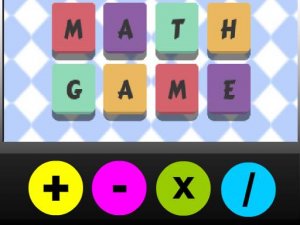
Math Fun Puzzle for Kids is an educational puzzle game designed to help children practice basic math skills in a playful and engaging way. The game focuses on addition, subtraction, multiplication, and division, making it suitable for young learners who are building their math foundations. With colorful visuals and a cheerful environment, Math Fun Puzzle for Kids turns learning into an enjoyable adventure. It is free to play and family-friendly, providing a safe space for kids to explore mathematics at their own pace. The core objective is to solve math puzzles by selecting the correct answer from multiple choices. Each correct answer earns points and rewards, encouraging continued practice. The game adapts to the child's skill level, offering easier or harder questions as needed. There are no timers, so kids can learn without pressure. Parents can track their child's progress through simple reports. This game makes math practice feel like a fun activity rather than a chore.
How to Play
Playing Math Fun Puzzle for Kids is simple and intuitive. Children choose a math operation—such as addition, subtraction, multiplication, or division—and then solve puzzles by selecting the correct answer from multiple choices. The game adapts to the child's skill level, offering easier or harder questions as needed. There are no timers, so kids can learn without pressure. Just tap, play, and learn math the easy way!
Game Features
Math Fun Puzzle for Kids includes fun math puzzles that make learning engaging. The game features adaptive difficulty, which adjusts questions to match each child's skill level. Colorful graphics create a cheerful and inviting environment. Progress tracking helps parents see improvement over time. There are no timers or pressure, allowing kids to learn at their own speed. The game is free to play with no hidden costs or inappropriate content.
Tips for Success
To get the most out of Math Fun Puzzle for Kids, encourage your child to practice regularly. Start with easier operations like addition and subtraction before moving to multiplication and division. Celebrate small achievements to build confidence. Use the progress reports to identify areas where your child may need extra practice. Since there are no timers, let your child take their time to think through each problem. Consistent, relaxed practice is key to mastering math skills.
Compatibility
Faq
Is Math Fun Puzzle for Kids available on mobile devices?
What age group is Math Fun Puzzle for Kids best suited for?
Does Math Fun Puzzle for Kids require an internet connection to play?
Are there any in-app purchases in Math Fun Puzzle for Kids?
Can multiple children use the same device with Math Fun Puzzle for Kids?
What math topics are covered in Math Fun Puzzle for Kids?
Games You Might Enjoy

MX-5 Superlight Slide Puzzle

Savanna Slide Puzzle

Connect Puzzle: Relaxing Image Game

Shopper Item Hunt Puzzle

Diamond Match Puzzle - Arcade

Pet Care Clinic Time Management

Archery Puzzle Rescue Game

Cup Rotation Puzzle

Crystal Caves 3 Puzzle Arcade

Block Puzzle: Logic Challenge

Pop It Jigsaw Puzzle Fun

Comments
0 comments